
Secondary Glazing
IF YOU WOULD LIKE TO MAKE YOUR SINGLE-GLAZED WINDOWS MORE PRACTICAL AND ENERGY EFFICIENT WITHOUT REPLACING THE ENTIRE FRAME, SECONDARY GLAZING COULD BE THE IDEAL SOLUTION FOR YOU.
Secondary glazing is one of the most effective ways to improve the acoustic and thermal performance of existing windows without removing or replacing them. For period properties, listed buildings, and homes in conservation areas where replacement double glazing is restricted, it is often the only compliant option. SGC Glass is a local secondary glazing installer covering Essex, London and the Southeast, with a team managing every stage from survey to completion.
What Is Secondary Glazing?
Secondary glazing involves fitting a discreet, independent glazed panel to the room side of an existing window. Unlike replacement double glazing, which removes the original frame entirely, secondary glazing preserves the external appearance of the property while creating an insulating air gap between the existing pane and the new panel. This air gap, typically between 20mm and 100mm, delivers measurable improvements in noise reduction, heat retention, and condensation control.
The system is fitted internally, meaning no changes are visible from outside the building. This makes secondary glazing the preferred solution for listed buildings, properties in conservation areas, and any situation where planning restrictions prevent alterations to the external facade.


Why Choose SGC Glass for Secondary Glazing in London and Essex?
Established in 1995, SGC Glass has over 30 years of experience as a secondary glazing installer across Essex, London and the Southeast. You deal with one company from initial site survey through to completion, with no subcontracting, no delays waiting on third parties.
Our team understands both the technical requirements and planning sensitivities involved in working with older and heritage buildings. We have completed secondary glazing projects on Victorian terraces in east London, Grade II listed properties across Essex, commercial offices in central London, and period homes throughout the Southeast.
- FENSA registered (22039) for residential installation compliance
- GGF member (A2778)
- CHAS, Achilles and Safe Contractor accredited
- Constructionline Silver accredited for commercial and public sector procurement
- IPAF and PASMA certified for safe working
- SSSTS/SMSTS, CSCS and NVQ qualified installation teams
- Enhanced DBS checked operatives
- Rope access trained for complex access requirements
- Free site survey with no obligation, covering Essex, London and the Southeast
Secondary Glazing Systems We Supply and Install
We supply and install five secondary glazing configurations, each suited to different window styles, access requirements and building types. Every system is sourced to the precise dimensions of your existing windows through our trusted supply network, ensuring a clean fit and finish across our full coverage area.
Horizontal Sliding Secondary Glazing
Sliding secondary glazing panels glide left and right on a low-profile aluminium track. This system suits wider windows and is a practical choice for commercial secondary glazing projects in London, where staff need regular ventilation access. The slim frame profile keeps sightlines clean while delivering strong acoustic and thermal performance.
Vertical Sliding Secondary Glazing
Designed specifically for sash windows, vertical sliding secondary glazing mirrors the up-and-down movement of the original window. Secondary glazing for sash windows is our most popular system for Victorian and Edwardian properties across Essex and London, where traditional sash windows are a defining architectural feature. It allows full use of the original window for ventilation and cleaning and is virtually invisible from inside the room.
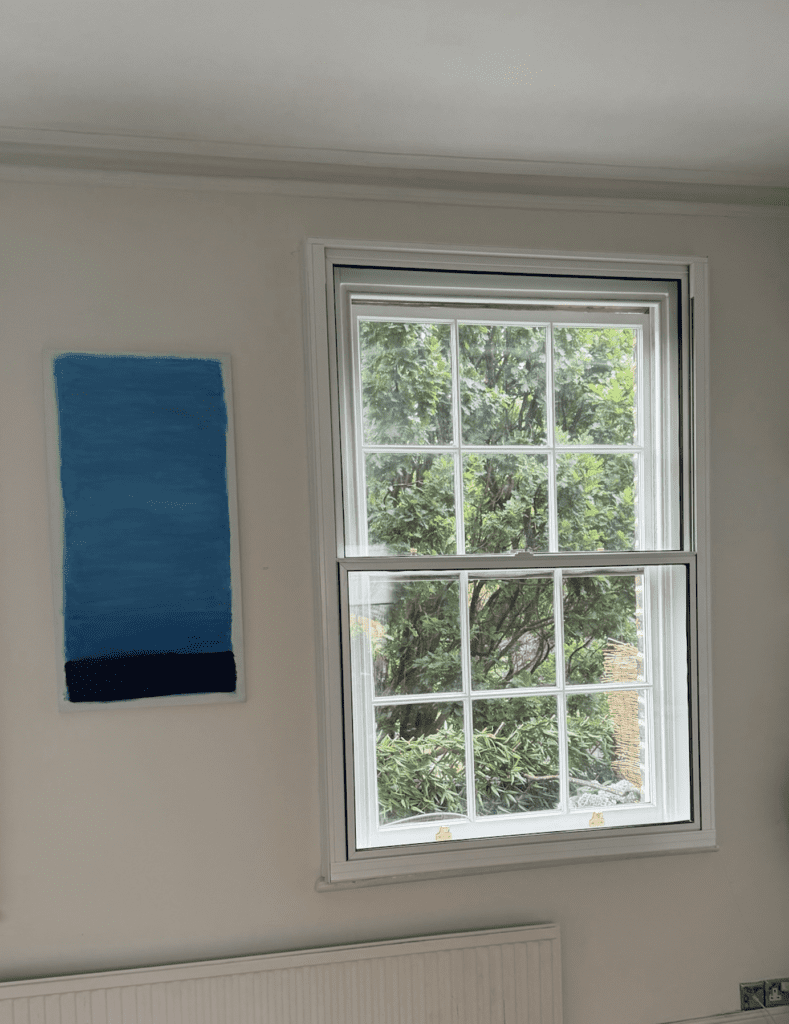
Lift-Out Secondary Glazing
Lift-out panels are the simplest configuration. The glazed panel sits in a fixed frame and can be removed entirely when full access to the primary window is needed, for example, during cleaning or redecoration. This is a cost-effective option for windows where regular opening is not required, widely used in commercial properties and offices.
Hinged Secondary Glazing
Hinged panels open outward on side or top hinges, functioning like a casement window. This system suits properties where fire escape compliance requires a fully openable window and works well for larger window openings. Hinged secondary glazing is commonly specified in residential and commercial buildings where access and ventilation are primary concerns.
Fixed Secondary Glazing
Fixed panels are permanently secured to the window reveal and do not open. This provides the highest levels of acoustic insulation because there are no moving parts or seals that could allow sound transmission. Fixed secondary glazing is most often specified for properties on busy roads, near railways, or under flight paths across London and Essex.
Noise Reduction with Secondary Glazing
Acoustic performance is the most common reason customers across London and Essex choose secondary glazing. A standard single-glazed window provides around 20 to 24 dB of sound insulation. Adding secondary glazing with an air gap of 100mm or more can increase this to between 45 and 50 dB, a reduction in perceived noise of up to 80%.
The degree of noise reduction depends on the width of the air gap, the glass thickness, and whether acoustic laminated glass is specified. SGC Glass specifies acoustic laminated glass as standard on noise-priority projects, as its interlayer dampens sound vibrations more effectively than standard float glass.
For properties on busy A-roads across Essex, offices near Liverpool Street or Stratford, and residential streets under Heathrow or City Airport flight paths, secondary glazing in East London and Essex offers an immediate, measurable reduction in noise levels.
Thermal Performance and Energy Efficiency
Heat loss through single-glazed windows accounts for a significant proportion of a building’s total energy waste. A single-glazed window has a typical U-value of around 5.0 W/m²K. Adding secondary glazing can reduce this to approximately 1.8 to 2.0 W/m²K, close to the performance of a modern sealed double-glazed unit (typically 1.2 to 1.6 W/m²K).
For older properties across Essex and the Southeast where full window replacement is impractical or planning-restricted, secondary glazing offers a proportionate improvement in thermal performance without the cost or disruption of removing existing frames. It is particularly effective in buildings with high ceilings and large window openings, where heat loss through glazing is most pronounced.
Secondary Glazing for Listed Buildings and Conservation Areas
Secondary glazing is the established solution for listed buildings and conservation areas. Because it is fitted internally and does not alter the external window, it does not normally require Listed Building Consent under the Planning (Listed Buildings and Conservation Areas) Act 1990. Historic England recognises secondary glazing as an appropriate method for improving the energy efficiency and comfort of listed buildings, provided the installation is sympathetic and fully reversible.
SGC Glass has extensive experience fitting secondary glazing to listed buildings across Essex and London, working alongside heritage officers and local planning authorities. Our long-serving installation team designs systems that respect the character of original windows while delivering genuine performance improvements, from Georgian townhouses in London to period properties in rural Essex.
Secondary Glazing vs Double Glazing
For noise reduction, secondary glazing consistently outperforms standard sealed double glazing. A sealed double-glazed unit has an air gap of 16 to 20mm, limiting acoustic performance to around 30 to 35 dB. Secondary glazing with acoustic laminated glass achieves 45 to 50 dB, making it the superior choice wherever noise is the primary driver.
For thermal performance, modern sealed double-glazed units achieve lower U-values (around 1.2 W/m²K) than most secondary glazing configurations (around 1.8 to 2.0 W/m²K). However, secondary glazing represents a substantial upgrade over single glazing and is often the only viable option where original windows must be retained. It also avoids the structural disruption of full frame replacement: no need to remove frames, make good plaster or brickwork, or redecorate, meaning minimal downtime for occupied offices and homes.
Condensation Control
Condensation forms when warm, moist air meets a cold surface. Single-glazed windows are the most common condensation point in older properties. Secondary glazing creates a buffer zone of still air between the two panes, keeping the inner glass surface warmer and significantly reducing condensation. For properties where moisture has damaged original timber frames, paintwork, or plaster reveals, secondary double glazing can halt this cycle without requiring window replacement.
Our Installation Process
- Free site survey: One of our surveyors visits your property to measure every window, assess the condition of the reveals, and discuss your priorities: whether that is noise reduction, thermal performance, or heritage compliance.
- System recommendation: Based on the survey, our estimators will recommend the most appropriate system type and glass specification for each window and provide a detailed written quotation with no obligation.
- Sourcing and scheduling: Systems are procured to the exact dimensions recorded during the survey through our trusted supply network, with lead times confirmed at the order
- Professional installation: Our own installation teams complete every installation with minimal disruption.
- Final inspection: We check every panel for smooth operation, correct alignment, and proper sealing before signing off on the installation.
Coverage: Secondary Glazing in Essex, London and the Southeast
SGC Glass installs secondary glazing in London and Essex, and across our wider coverage area, including Kent, Hertfordshire and Surrey. Whether you are a homeowner in Chelmsford, a property manager in the City of London, or a heritage organisation managing listed buildings, our team can reach you. For commercial properties and multi-unit residential buildings, we manage the entire project with a single point of responsibility, with consistent workmanship and clear accountability throughout.
Book a Free Secondary Glazing Survey
If you are considering secondary glazing in London, Essex, or anywhere across the Southeast, the first step is a free site survey. One of our experienced surveyors will visit your property, assess every window, and provide a tailored recommendation and quotation.
Book your free survey with SGC Glass by calling our Essex office on 01268 208690, our London office on 020 8153 1690, or emailing info@sgcglass.com. We cover Essex, London and the Southeast, with no obligation attached to any survey or quotation.
And remember, with SGC Glass you will only ever pay a fair price because we strive to match any genuine quote you may have received!
Secondary Glazing in Essex FAQs
Secondary glazing is an independent glazed panel fitted to the interior side of an existing window. It creates an insulating air gap that improves thermal performance, reduces noise, and controls condensation without altering or removing the original window.
Yes. With an air gap of 100mm or more and acoustic laminated glass, secondary glazing can reduce noise by up to 80%, achieving 45 to 50 dB of sound insulation, outperforming standard sealed double glazing for acoustic performance.
For noise reduction, secondary glazing with a sufficient air gap is superior to standard double glazing. For thermal insulation, modern double glazing achieves slightly better U-values, but secondary glazing delivers a substantial improvement over single glazing and is often the only viable option for listed buildings and conservation area properties.
Yes. Because secondary glazing for listed buildings is installed internally and does not alter the external appearance or fabric of the building, it does not normally require Listed Building Consent. Historic England acknowledges it as an appropriate measure for improving energy efficiency. SGC Glass has extensive experience fitting secondary glazing to listed properties across Essex, London and the Southeast.
Yes. Vertical sliding secondary glazing for sash windows mirrors the up-and-down movement of the original sash, preserving its look and functionality while adding significant acoustic and thermal insulation. This is our most popular system for period properties across Essex and London.
Cost varies depending on the number of windows, system type, glass specification, and installation complexity. We provide free, no-obligation site surveys and tailored written quotations so you can make an informed decision based on your specific property and requirements.
Most domestic installations are completed within a day or two, depending on the size of the property. For larger properties or commercial buildings with multiple windows, we provide a project timeline at the quotation stage.

